OUR EDGE
Our edge lies in an integrated CFturbo and Simerics based workflow for turbomachinery design and development. By combining parametric design, CFD driven analysis, surrogate modelling, and advanced optimisation tools, Coinager helps improve pump efficiency, reduce development risk, and accelerate product innovation.
HOW IT WORKS, STEP-BY-STEP

Step 01
Set The Work Flow
The development workflow is structured to connect each stage of pump design into a clear and efficient process. Starting with parametric geometry generation in CFturbo, the design is then evaluated through CFD, refined using optimisation methods, and supported by additive manufacturing for rapid prototyping. This integrated workflow helps create a smoother path from concept to validated design, enabling faster iteration and better engineering decisions.

Step 02
Develop and Evaluate the Design
Once the workflow is established, the pump geometry is developed and assessed through an integrated design and simulation process. CFturbo is used to generate the initial turbomachinery geometry, while CFD analysis is applied to evaluate hydraulic performance, flow behaviour, and cavitation characteristics. This stage provides the technical insight needed to refine the design and identify the most promising concepts early in development.

Step 03
Optimise the Performance
After the initial design has been evaluated, optimisation methods are used to improve hydraulic performance and guide the next design iteration. By applying surrogate modelling and advanced optimisation tools, key parameters can be explored more efficiently, helping identify designs with improved efficiency, reduced risk, and stronger overall performance. This stage supports smarter engineering decisions by reducing reliance on trial-and-error development.

Step 04
Prototype and Validate
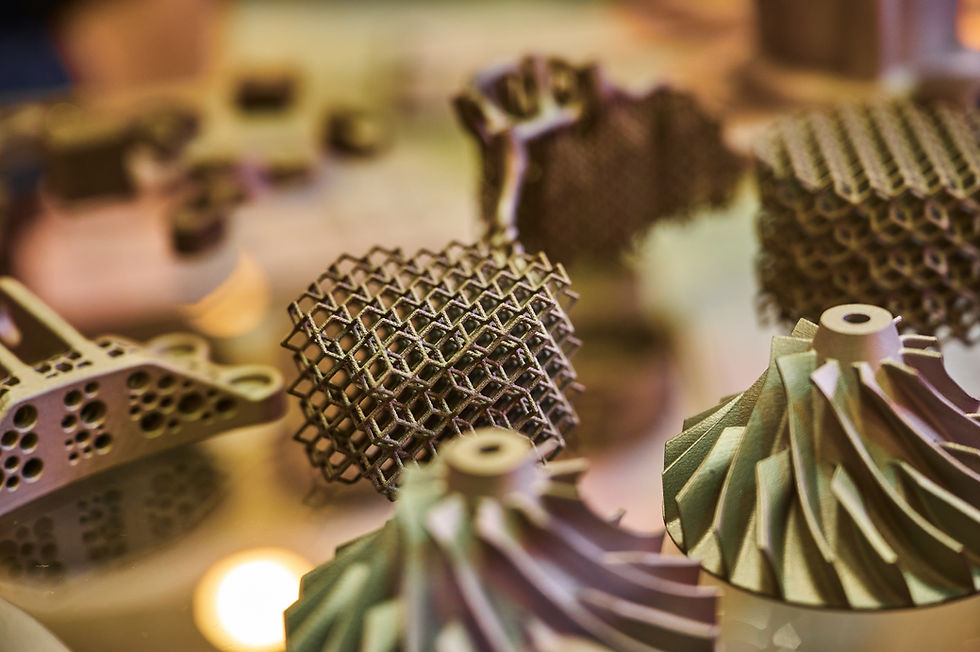
The final step is to translate the optimised design into a physical prototype for further assessment and validation. Additive manufacturing enables rapid production of test components, allowing new concepts to be reviewed, compared, and refined more quickly. This stage helps confirm design intent, supports practical development decisions, and creates a stronger link between digital engineering and real-world performance.
This integrated approach supports faster development, fewer design iterations, and more confident engineering decisions.